
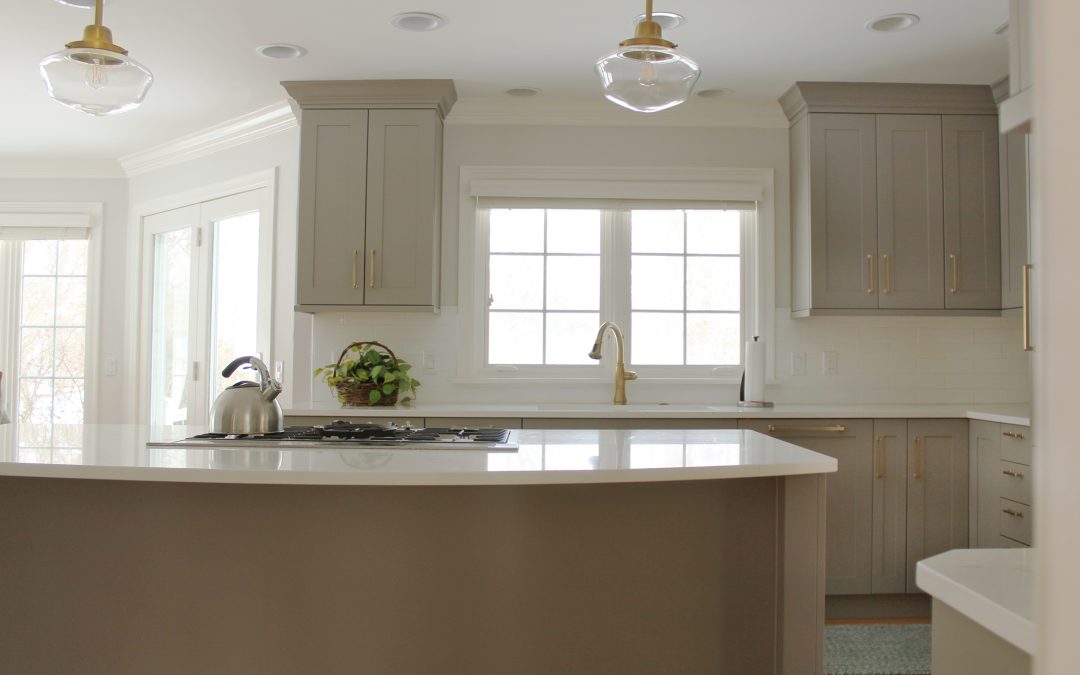
The difference between a kitchen that looks expensive and one that feels exceptional comes down to planning, precision, and decisions most homeowners never realize they’re making.
If you’re planning a kitchen renovation in Rochester, NY, understanding these details will directly impact how your space looks, functions, and holds up over time.
Why Some Kitchens Feel Expensive… and Others Feel Exceptional
We’ve worked in kitchens with six-figure budgets that look great in photos but fall short in everyday use. We’ve also built kitchens where every detail was intentional—and the difference is immediate.
A truly refined kitchen feels calmer, more functional, and more cohesive. That result has less to do with budget and more to do with how the space is designed.
Lighting Isn’t a Feature—It’s a System
Most kitchens treat lighting as an afterthought—pendants, recessed lights, and maybe under-cabinet lighting. In a well-designed kitchen, lighting is layered and integrated into the space.
Effective kitchen lighting improves how materials look, enhances usability, and adapts throughout the day. Integrated lighting can include:
- Drawer lighting for visibility and convenience
- Under-cabinet lighting for task work
- Toe-kick lighting for nighttime navigation
- Shelving lighting to highlight materials
When lighting is designed as a system, the entire kitchen performs better.
Cabinet Interiors Matter More Than You Think
Cabinet exteriors get the attention, but the interior determines daily usability. Standard cabinets often rely on empty box storage, while high-functioning kitchens use purpose-built organization.
Optimized cabinet design includes:
- Deep drawer systems instead of lower cabinets
- Built-in organizers for utensils and tools
- Dedicated storage zones based on use
- Durable interior materials like maple
For homeowners investing in custom cabinetry in Rochester, this is where long-term value is created.
Appliances Should Integrate Into the Design
Even high-end appliances can feel out of place if they’re treated as standalone elements. A well-designed kitchen integrates appliances into the overall layout.
This often includes:
- Panel-ready refrigerators
- Flush-mounted wall ovens
- Concealed ventilation systems
- Consistent alignment with cabinetry
The goal is cohesion. The kitchen should feel like a single, unified space—not a collection of separate components competing for attention.
Smart Storage Beats More Storage
More cabinets don’t automatically improve a kitchen. Poorly designed storage leads to clutter, even in large spaces.
Effective storage planning focuses on usage patterns:
- Full-height pull-out pantry systems
- Under-sink storage designed around plumbing
- Corner cabinet solutions that eliminate wasted space
- Vertical storage for trays and pans
Well-planned storage reduces friction in everyday use and keeps the kitchen organized without effort.
Clean Design Requires Precise Execution
Minimal, modern kitchens rely on precision. Small inconsistencies can disrupt the entire space.
Critical details include:
- Consistent cabinet reveals
- Flush appliance installation
- Clean material transitions
- Accurate alignment across all surfaces
This level of execution is what separates a professionally designed kitchen from one that simply looks good at a glance.
Material Selection Should Be Intentional
Luxury kitchens are often defined by restraint rather than excess. Too many materials or competing finishes create visual clutter.
A refined material palette might include:
- Natural wood tones paired with matte finishes
- Quartz countertops with subtle movement
- Selective use of texture for contrast
Limiting materials allows each element to stand out while maintaining a cohesive look.
Quiet Functionality Defines Quality
Many of the most important features in a kitchen are not visible. They are experienced through use.
This includes:
- Soft-close drawers and cabinets
- Quiet appliance operation
- Smooth hardware performance
These details improve daily usability and contribute to a more refined environment.
Every Kitchen Needs Hidden “Mess Zones”
No kitchen stays perfectly clean at all times. The difference is whether clutter is visible or controlled.
Well-designed kitchens incorporate hidden functional areas such as:
- Appliance garages
- Dedicated coffee stations
- Walk-in or built-in pantry storage
These spaces keep the main kitchen clean and uncluttered.
Layout and Proportion Drive Everything
Even the best materials and appliances cannot compensate for poor layout.
Key considerations include:
- Proper aisle spacing
- Correct island sizing
- Balanced cabinet-to-open-space ratios
In many Rochester homes, adjusting the layout creates the biggest improvement in both function and flow.
The Best Kitchens Feel Effortless
The most successful kitchens share a common trait—everything feels intentional.
Nothing appears forced, added later, or out of place. Each element works together because it was planned that way from the beginning.
It’s Not About Spending More—It’s About Planning Better
A kitchen can be expensive and still miss the mark. A well-designed kitchen, on the other hand, will always stand out because every decision supports the way the space is used.
If you’re planning a renovation, focusing on these details early will simplify every decision that follows.
Thinking About Your Kitchen Renovation?
If you’re considering a kitchen remodel and want a space that functions as well as it looks, we can help guide the process from start to finish.
Request an estimate to start planning your kitchen with a design approach focused on long-term usability, precision, and detail.

- The Hidden Details in a Luxury Kitchen Most Homeowners Miss - March 30, 2026
- Small Kitchen, Big Impact: Smart Remodel Ideas for Rochester Homes - October 29, 2025
- Hidden Storage Ideas That Keep Luxury Kitchens Clutter-Free - October 9, 2025